
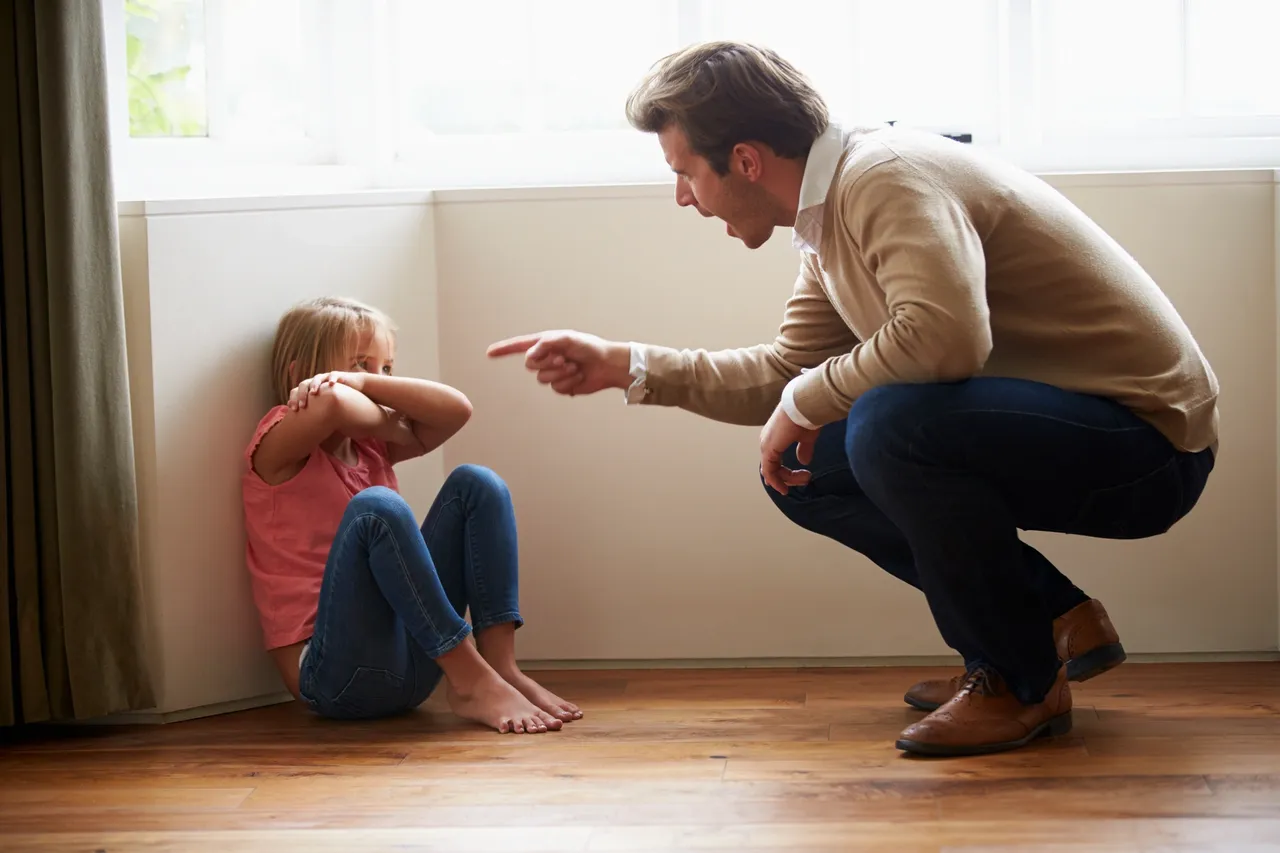

Looking out to be a better parent without yelling at them? Experts say it doesn’t even work and that it scares your kids and makes you feel bad. With this 10 step plan, you can finally stop yelling. You can do it.
When I caught my four-year-old son with his hands on the toilet flusher, he looked at me with wide eyes and covered his ears with his hands as his Nemo pants went down the drain. Bennett had been flushing toothpaste, shoes, and even a book down the toilet for weeks. This slip-up with the pants was the last blow. I lost my mind and went from being a calm mom to a screaming psychopath in a matter of seconds. Even worse, the bathroom window was open, so my crazy-lady rant could be heard by the neighbours.
I don’t yell very often, but when I do, it’s because something has really gotten to me. I’m not the only one who works out her voice with her kids. Whether parents yell because they believe in old-school discipline or just lose their cool sometimes, a 2003 study published in the Journal of Marriage and Family found that close to 90% of the nearly 1,000 parents polled said they had yelled at their kids in the past year.
Also, almost all parents who had children older than seven said they yelled at them.
“Parents yell because they are being pulled in a million different ways and something happens that makes them mad. When they see their kids fighting or doing something they don’t like, they just kind of lose it. Nina Howe, a professor of early and secondary education at Concordia University, says, “It seems to be some kind of reflex.”
Elana Sures, a clinical therapist, says it’s like going from 0 to 60. She says, “The anger just sort of drops in.” “It comes up behind us, and we know we’ve been set off. Our hearts are racing and our jaws are clenched. It’s clear that someone or something has taken control of us.”
We all use yelling as a form of punishment, which is a fact. Another fact is that it doesn’t work very well. You are not only showing that screaming is a way to solve a problem, but you may also be making things worse. A 2013 study found that harsh verbal discipline doesn’t stop kids and teens from doing bad things, and it could even make them more likely to keep doing what you don’t want them to do.
The study even looked at how aggressive and constant vocal punishments compare to physical punishments like spanking.
Is shouting the new hitting?
Has yelling replaced slapping? It’s a more polite way to tell kids they did something wrong and get their attention. Many people in our group were yelled at and even hit when they were kids, so that’s what we know. The last fact about yelling comes out, though: When we rant about our children, we don’t feel very good about ourselves. And hearing angry words often scares them, just like it scared us when we were kids. This makes them nervous and, naturally, more likely to yell back.
Sures says that yelling is one way to show a child how important something is. “It’s bad, though, because kids’ nerve systems are sensitive, and yelling scares them. It’s forceful and scares people away. When people yell, their faces show that they are very angry and scared. So when yelling gets us what we want, it’s because they’re afraid and just want us to stop yelling. It’s not because they made a conscious choice to change.”
Experts say that yelling is sneaky because it might work in the short term, but over time, kids will either shut down or learn to ignore it.
Kelly Dueck is the mother of two boys, ages 10 and 7, and she wishes she yelled at them less. She didn’t yell at them much when they were little, but now she has higher standards for how they should act. When she says, “Put on your pyjamas,” she wants you to do what she says. Dueck says, “I expect them to move faster than they did when they were two.” “It makes me mad that they don’t want to listen. Those are the times when I yell.”
She feels bad afterward. She knows that there are other ways to get them to listen or answer, but when she needs them to, she yells. “I sometimes try other things but end up yelling anyway,” she says. “You can read everything that says, ‘Count to 10’.” But it’s hard to do them in the moment.”
So what else can parents do? Lots. This is a 10-step plan to help you stop yelling. Think of it as your yelling rehab handbook.
1. Know your triggers
Most of the time, yelling is a reaction to a specific action. In other words, it’s caused by something. If you can figure out what makes you lose it, you have a better chance of not doing it again. Howe says, “Find out what those triggers are, because they are different for each parent.”
“I’m tired, it’s been a hard day at work, and I have to make dinner when I get home. All of these things are adding up, and there’s a chance you’ll lose it.” This will help you make better decisions, like making sandwiches for dinner or putting on a show to keep the kids busy while you cook.
2. Give kids a warning
When kids are stalling bedtime or fighting in the car, it’s fair to warn them that you’re about to get angry. “Tell them, ‘You’re pushing me, and I don’t want to yell to get your attention. Howe says, “If you don’t listen now, I might lose it.” Sometimes that serious warning is enough to get kids to calm down.
Howe says that warnings also help kids get their minds ready for a change. Maybe they are too busy with a Lego project or a book to listen to you when you tell them over and over again to put on their clothes.
“It’s giving them a heads-up,” says Howe. “Well, it’s time for bed. Need another five minutes? Okay, I can do this for another five minutes, but then it’s time to go.” This is what I do with my son, and it always works.
3. Take a time out
Judy Arnall, an expert on child development, finds that the best way to calm down is to go into the bathroom, yell into the toilet (instead of at her kids), and then flush. It’s the same as taking a time out—leaving the room and coming up with a plan to calm down, like squeezing a stress ball or sending your husband in to deal with the situation.
The author of Parenting With Patience and Discipline Without Distress, who lives in Calgary, says that taking a few minutes to stop and think before doing anything really helps us develop better self-control.
4. Make a Yes List
Taking a break as an adult is hard to do, as Dueck can tell you. Because of this, Arnall suggests that families get together and make a list of things they want to do. This list, which you can stick on the refrigerator, has good things to do before you yell or say something you’ll regret.
It’s different for each family, but it could be things like running in place, throwing the Chuckit! ball for the dog, or typing a social media rant you’ll never post.
The kids are fighting because their mum is tired. Mom is sad because her kids are always yelling.
Arnall says, “Parents should have a plan in place.” “If you do things on your Yes List, like go to the toilet and take a deep breath, kids will watch you and do the same things.”
5. Teach the lesson later
Shouting isn’t a good way to talk to someone; it makes parents’ worries seem less important and makes kids want to shut up instead of listen. So Arnall and other parenting experts want to dispel the idea that children need to be taught in the moment, as if they were dogs who can’t remember what happened 10 minutes ago.
It can be hard to wait (can you feel the anger dropping in? ), but if you can hold your temper in the moment, your message will be better overall. “The time to teach comes later, and it works much better when you’re calm. But first, you have to calm down, just like with breathing masks on an aeroplane’, says Arnall.
Then you can talk it out or, if the child is younger, explain how you want them to act and what will happen if they don’t. Kids made a mess? Clean it up as a group. Your kid was acting like a brat? Ask her about her day and tell her how what she said made you feel.
Sitting on a bench with her mother, a small schoolgirl who is sad talks to her mother in a trusting way.
6. Know what’s considered normal behavior
When your kids fight with their siblings, whine, talk too much, or don’t want to go to bed, just knowing that this is normal and age-appropriate can help you take it less personally. Sures says that they stop being tricks meant to drive you crazy and start being things you have to deal with.
“It helped me a lot when another doctor told me that my nine-year-old daughter’s eye-rolling is normal. She says, “They laugh and sigh because they don’t feel like they have any control over the situation.” “Putting things in perspective makes it easier to deal with. Kids are usually kind of rude to their parents.
We yell because we feel like they shouldn’t be that way and that there must be something wrong with my kids or with me. If you take that away, it’s just something you have to deal with.”
7. Be proactive
Prep the night before if, for example, getting out of the house in the morning always turns into a fight. Sures calls this way of being a parent “strike while the iron’s hot.” So she doesn’t have to nag, nag, nag, and then yell about socks in the morning, she makes her two girls wear socks to bed. This small change has changed a lot.
For others, being proactive might mean bringing snacks on every walk to stop whining or bringing games to keep kids busy (and less likely to fight) while you run errands.
Problems in childhood. After a fight at home, the daughter was sitting on the couch and looking back at her mother.
8. Adjust your expectations
When it comes to kids, it’s important to set reasonable goals. Sures says that one reason we yell is that our high hopes for a trip or event don’t match up with the reality. When she was on vacation in Asia during the summer, her youngest daughter got angry, sat down in the middle of a temple complex, and wouldn’t move.
Sures says she felt like a bad parent because she hadn’t raised her son to be a world tourist at age six. Heat and jet lag would have made any child unwilling to go on a long tour of different cultures. This advice works even in easier situations. Plan to walk for less time. Run fewer chores. Give orders one at a time. Or give up all your standards. For example, it’s not embarrassing to leave a full grocery cart in the middle of an aisle.
9. Recognize when it’s about you, not your child’s misbehavior
Mila Fischer* was making tomato sauce one summer day in 2015 when she lost it on her kids for no reason. When she thinks back, she realises that she just didn’t have room in her mind for whatever it was that made her explode. “It’s like taking it out on them because there’s something wrong with you,” says the mum from Calgary. “I definitely felt bad and sorry. I wish I was taking better care of my kids.”
Fischer started going to a doctor about stress-related problems around the same time. Fischer’s doctor told her to try meditation, so she used an app called Calm that helped her think for seven days. She started sleeping better and feeling more present at work and at home. She also noticed that it changed how she talked to her kids. “It stopped almost all of the yelling,” she says.
Sures thinks that yelling is often about more than a kid who is misbehaving; it can be a way to show that our own needs aren’t being met. “Ask yourself, ‘What’s going on with me that I’ve yelled at my kids for three days in a row? Did I not get enough sleep? Do I feel unappreciated? What else is going on in my life besides how my kids act?'”
10. Have a yelling debrief
So you lose it. You weren’t ready, and when the underpants went down the drain, so did your cool. What’s next? Experts say to say sorry. Sures says, “It takes the sting out of a bad situation and shows our kids that we’re all human and sometimes our feelings make us say things we’re not proud of.”
She also says that saying “I’m sorry” shows children what to do when they lose their anger. “It helps them connect the big feeling and the yelling that comes from it.” Then, talk about what made the parent yell, because sometimes the child needs to change his or her actions and not just because the parent lost control.
“We need to work as a team here,” says Howe. “Something has set you off. Your child’s behaviour is making you mad. Talk about it and figure out how to fix it so it doesn’t keep happening.” It’s a win-win situation. If you yell less, you might find that you have less reason to yell.
Fischer started going to a doctor about stress-related problems around the same time. Fischer’s doctor told her to try meditation, so she used an app called Calm that helped her think for seven days. She started sleeping better and feeling more present at work and at home. She also noticed that it changed how she talked to her kids. “It stopped almost all of the yelling,” she says.
Sures thinks that yelling is often about more than a kid who is misbehaving; it can be a way to show that our own needs aren’t being met. “Ask yourself, ‘What’s going on with me that I’ve yelled at my kids for three days in a row? Did I not get enough sleep? Do I feel unappreciated? What else is going on in my life besides how my kids act?'”
When is it OK to yell?
Experts agree that it’s OK to yell at a child when he or she might be in danger. This is in addition to the obvious times when we yell out of happiness or excitement (“Happy New Year!”) or to cheer them on at a soccer game. Judy Arnall, a child development expert and parenting author, says, “You want to save it for when you really need them to listen, like when they don’t stop at the end of the pavement.”
“That’s why you shouldn’t yell all the time. Yelling sometimes works, but it doesn’t work if you do it all the time.”
The three types of yelling
There are three main ways that parents yell at their kids. There are different kinds of yelling. Some are more like serious, loud talking. You might call this “raising your voice.” Kids can usually ignore this kind of noise because it doesn’t usually scare them. Then there’s yelling that comes from anger and rage. This kind of yelling can scare kids and hurt them mentally if it goes on for a long time.
The last kind of yelling is the kind that parents use when their child is about to touch a hot stove or walk into the street.
Are some cultures just shoutier than others?
Some countries definitely show their feelings more, and yelling may be more common, but that doesn’t mean it’s okay to scream at your kids. Children are scared of angry outbursts, but sometimes, no matter where we come from, we lose it on the people we love. So, no matter what society we are from, what really matters is what happens after.
Elana Sures, a clinical counsellor in Vancouver, says, “Most children can handle seeing their parents get angry as long as it is followed by a cool-down and resolution, like debriefing, hugs, and talking it out.”


