
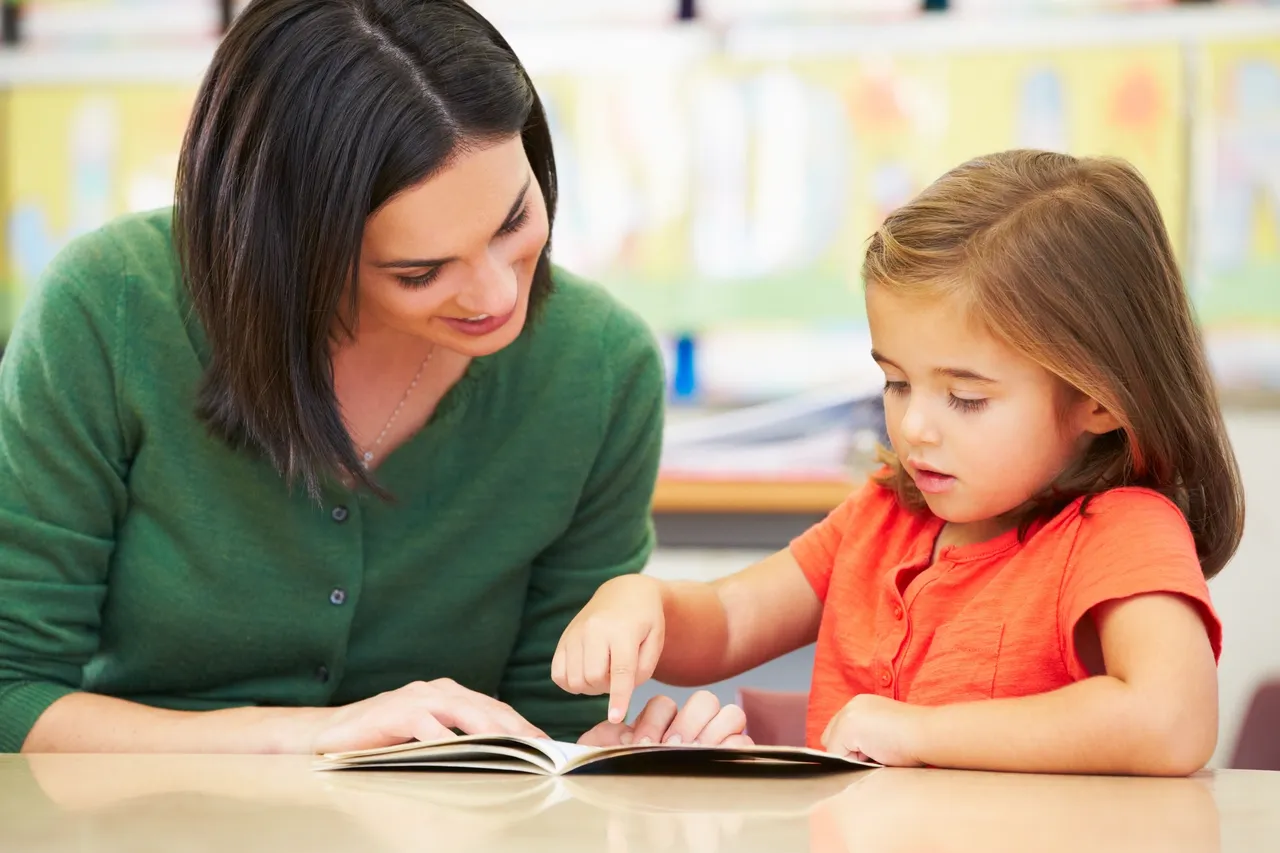

All children need love, encouragement, and support, and for kids with learning disabilities, such positive reinforcement can help ensure that they emerge with a strong sense of self-worth, confidence, and the determination to keep going even when things are tough.
In searching for ways to help children with learning disabilities, remember that you are looking for ways to help them help themselves. Your job as a parent is not to “cure” the learning disability, but to give your child the social and emotional tools they need to work through challenges.
In the long run, facing and overcoming a challenge such as a learning disability can help your child grow stronger and more resilient.
Always remember that the way you behave and respond to challenges has a big impact on your child. A good attitude won’t solve the problems associated with a learning disability, but it can give your child hope and confidence that things can improve and that they will eventually succeed.
These are the best tips for Helping children with learning disabilities:
1: Take charge of your child’s education
In this age of endless budget cuts and inadequately funded schools, your role in your child’s education is more important than ever. Don’t sit back and let someone else be responsible for providing your child with the tools they need to learn. You can and should take an active role in your child’s education.
If there is demonstrated educational need, the school is required by law to develop an Individualized Education Plan (IEP) that delivers some educational benefit, but not necessarily one that maximizes student achievement. Parents who want the best for their kids may find this standard frustrating.
Understanding special education laws and your school’s guidelines for services will help you get the best support for your child at school. Your child may be eligible for many kinds of accommodations and support services, but the school might not provide services unless you ask for them.
2: Identify how your child learns best
Everyone learning disability or not has their own unique learning style. Some people learn best by seeing or reading, others by listening, and still others by doing. You can help a child with a learning disability by identifying their primary learning style.
Is your child a visual learner, an auditory learner, or a kinesthetic learner? Once you’ve figured out how they learn best, you can take steps to make sure that type of learning is reinforced in the classroom and during home study.
3: Think life success, rather than school success
Success means different things to different people, but your hopes and dreams for your child probably extend beyond good report cards. Maybe you hope that your child’s future includes a fulfilling job and satisfying relationships, for example, or a happy family and a sense of contentment.
The point is that success in life rather than just school success depends, not on academics, but on things like a healthy sense of self, the willingness to ask for and accept help, the determination to keep trying in spite of challenges, the ability to form healthy relationships with others, and other qualities that aren’t as easy to quantify as grades and exam scores.
4: Emphasize healthy lifestyle habits
It may seem like common sense that learning involves the body as well as the brain, but your child’s eating, sleep, and exercise habits may be even more important than you think. If children with learning disabilities are eating right and getting enough sleep and exercise, they will be better able to focus, concentrate, and work hard.
5: Take care of yourself too
Sometimes the hardest part of parenting is remembering to take care of you. It’s easy to get caught up in what your child needs, while forgetting your own needs. But if you don’t look after yourself, you run the risk of burning out.
It’s important to tend to your physical and emotional needs so that you’re in a healthy space for your child. You won’t be able to help your child if you’re stressed out, exhausted, and emotionally depleted.
When you’re calm and focused, on the other hand, you’re better able to connect with your child and help them be calm and focused too.
Your spouse, friends, and family members can be helpful teammates if you can find a way to include them and learn to ask for help when you need it.
Communicate with family and friends about your child’s learning disability
Some parents keep their child’s learning disability a secret, which can, even with the best intentions, look like shame or guilt. Without knowing, extended family and friends may not understand the disability or think that your child’s behavior is stemming from laziness or hyperactivity. Once they are aware of what’s going on, they can support your child’s progress.
CONCLUSION
Within the family, siblings may feel that their brother or sister with a learning disability is getting more attention, less discipline and preferential treatment. Even if your other children understand that the learning disability creates special challenges, they can easily feel jealous or neglected.
Parents can help curb these feelings by reassuring all of their children that they are loved, providing homework help, and by including family members in any special routines for the child with a learning disability.


